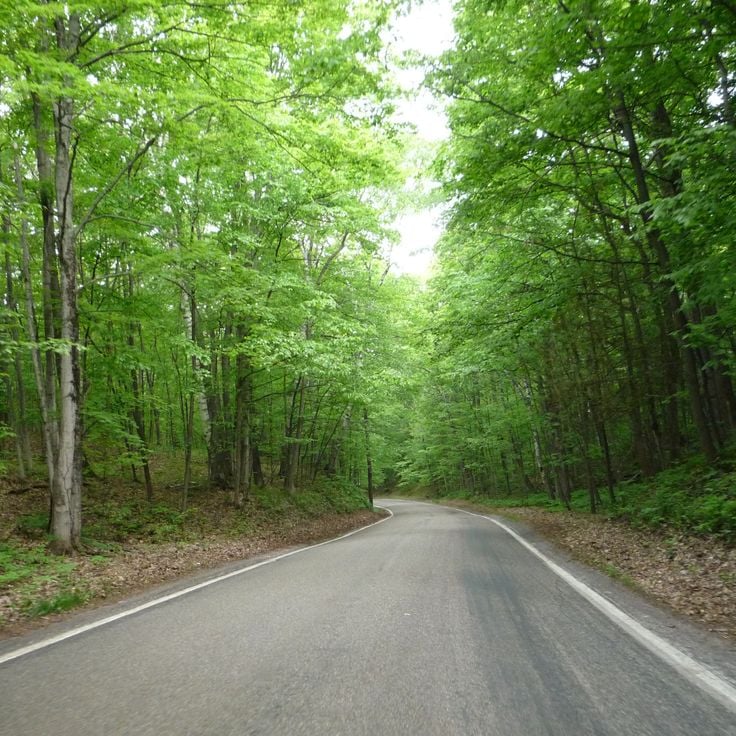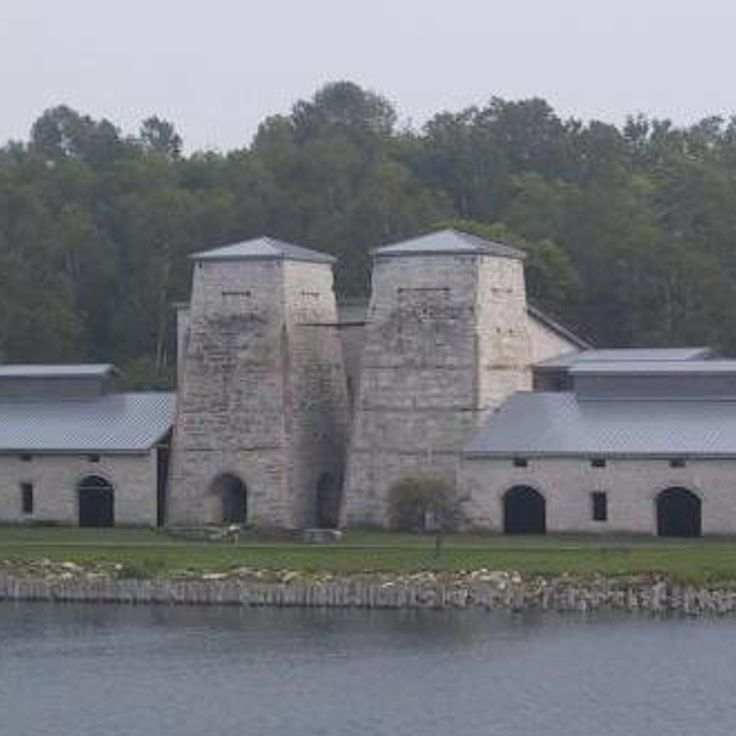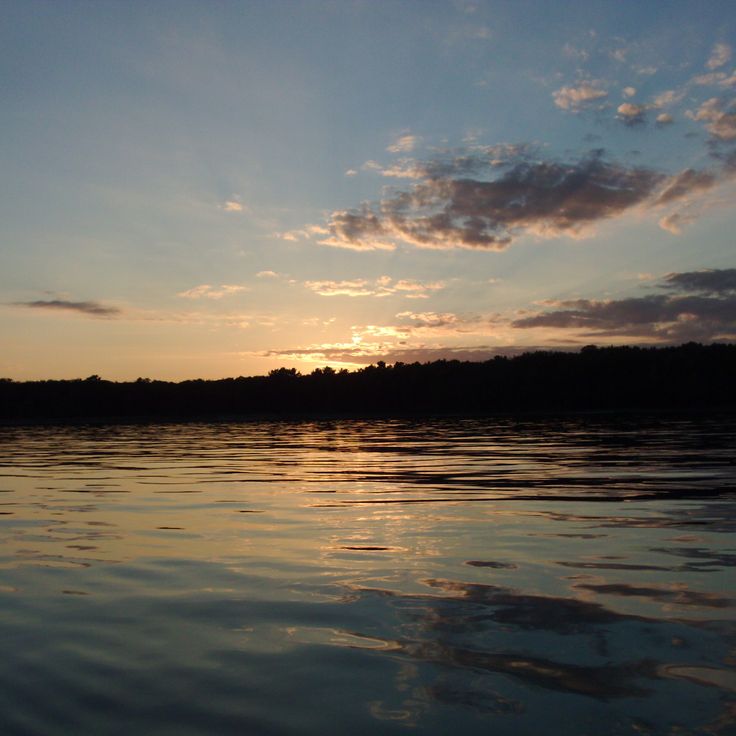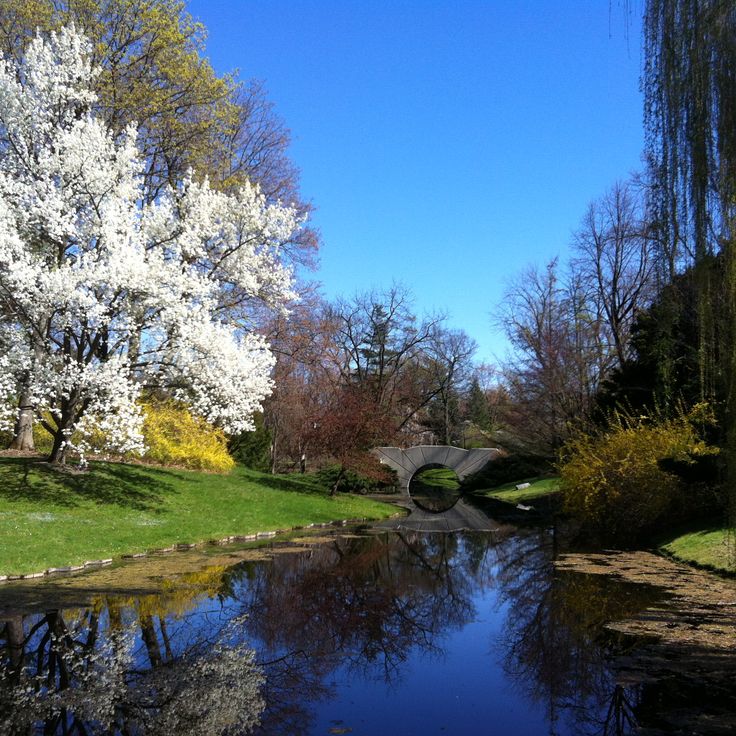
From colorful cliffs to waterfalls, Michigan blends wild nature with historic buildings on the shores of the Great Lakes.
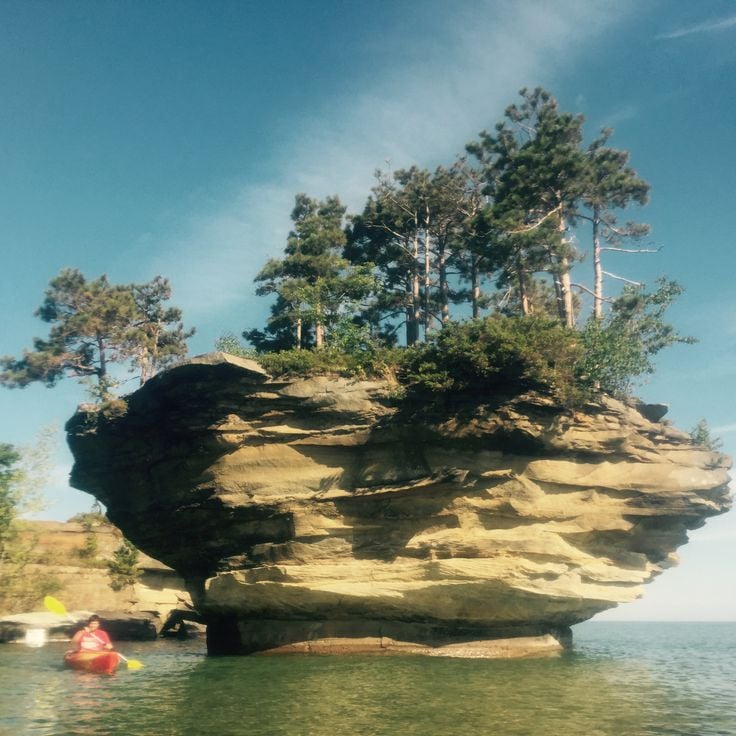
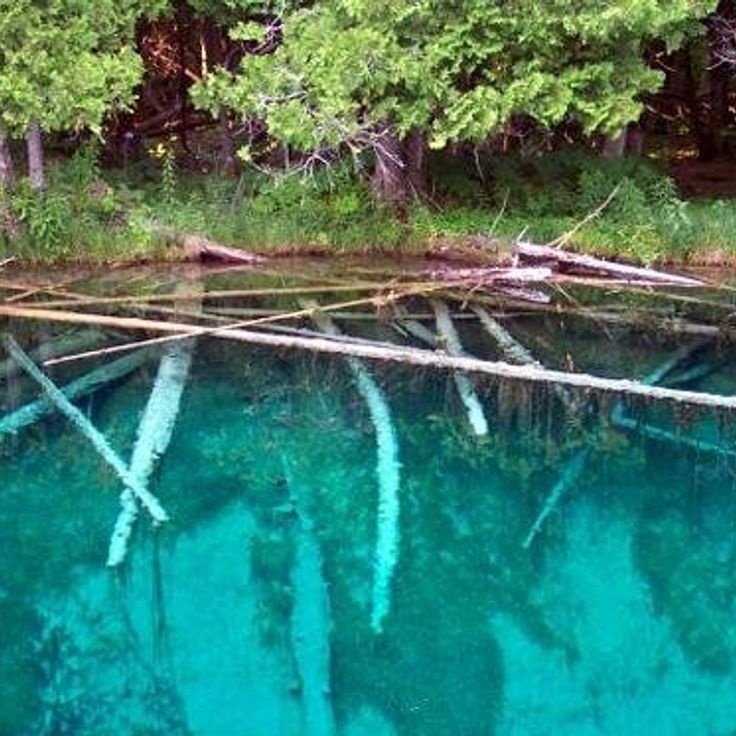
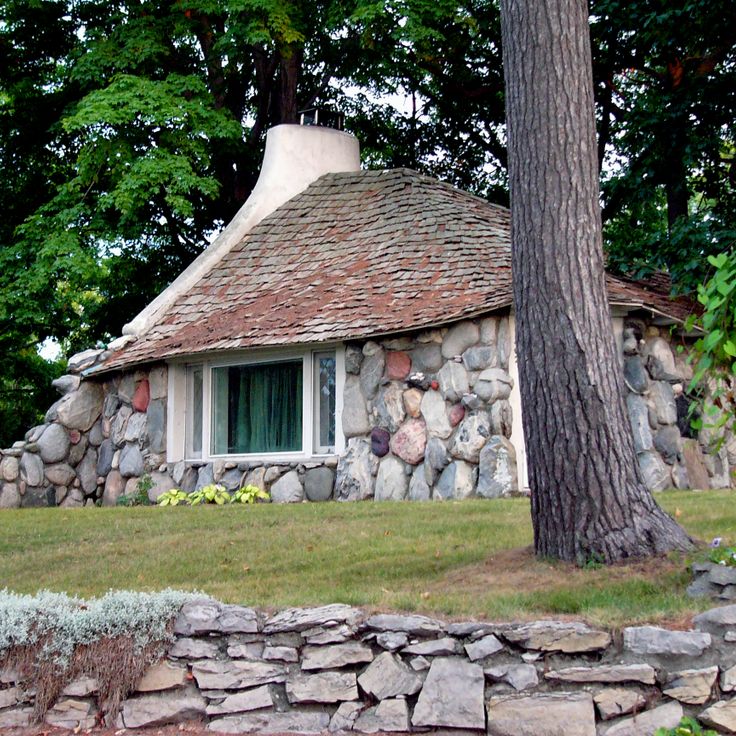
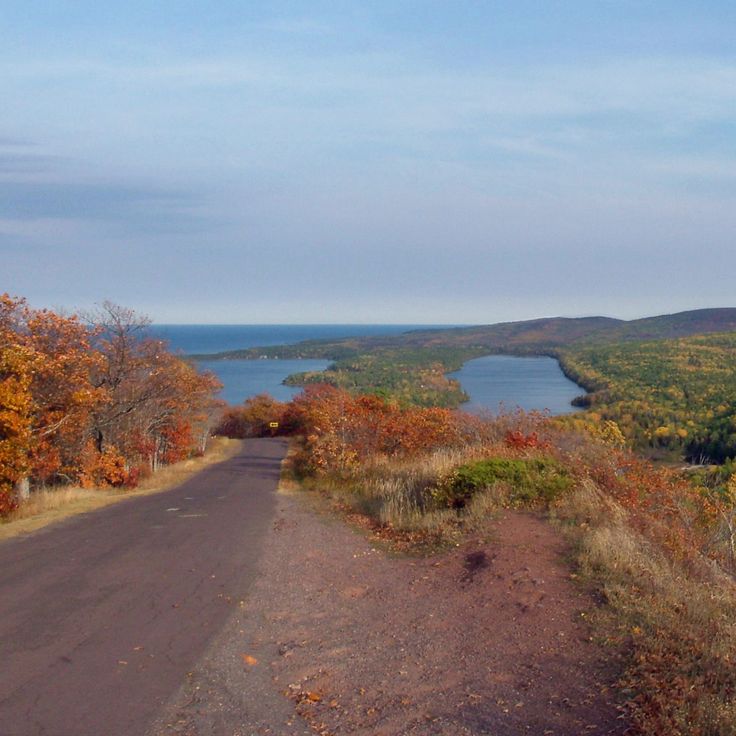
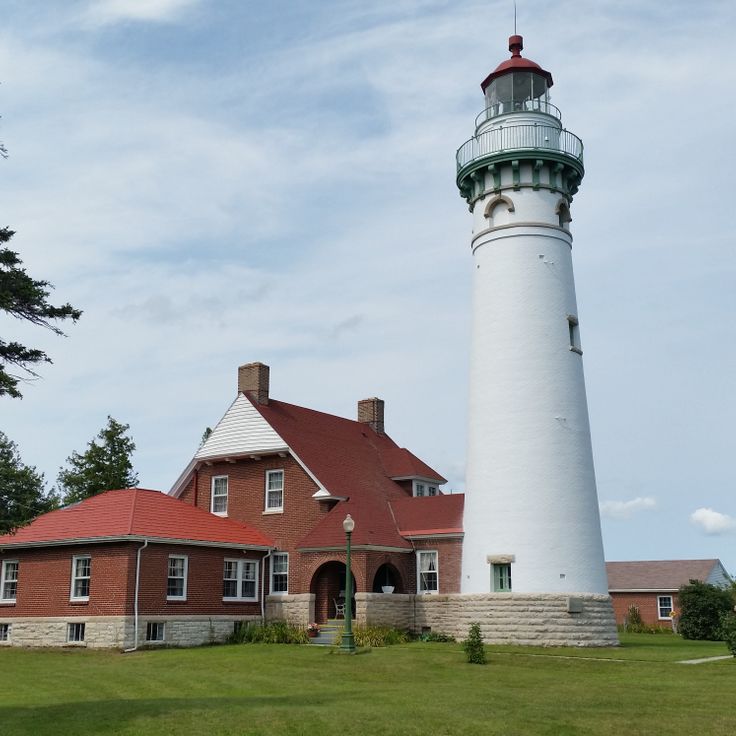
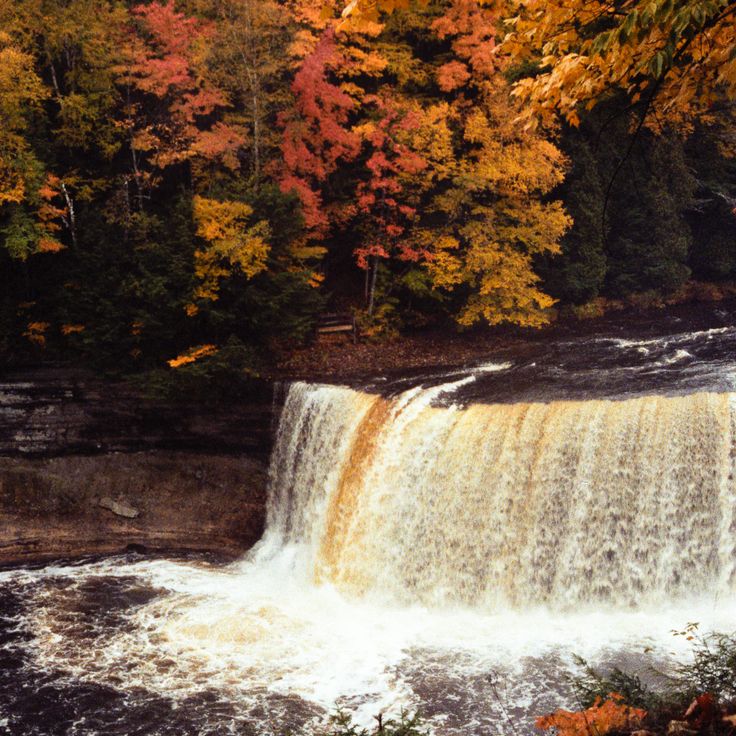
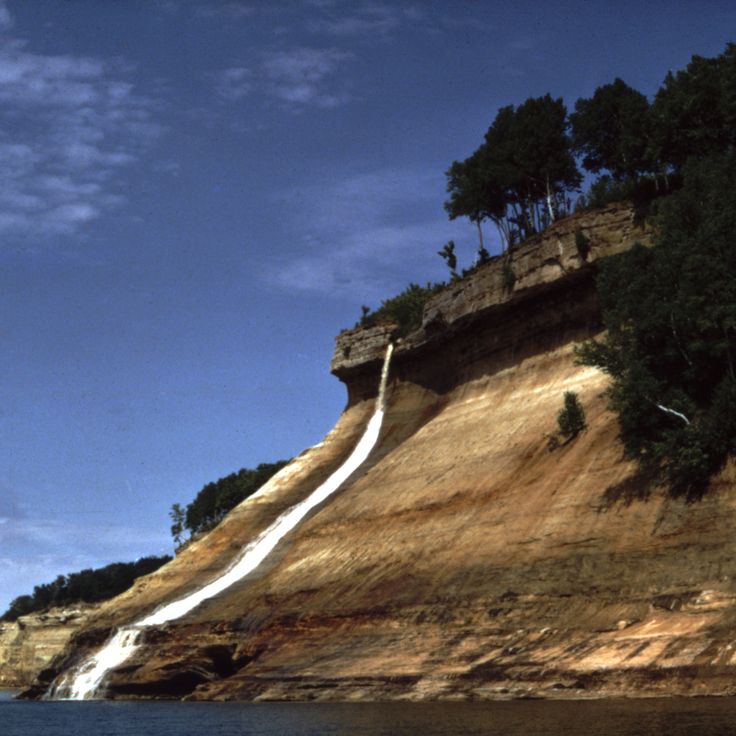
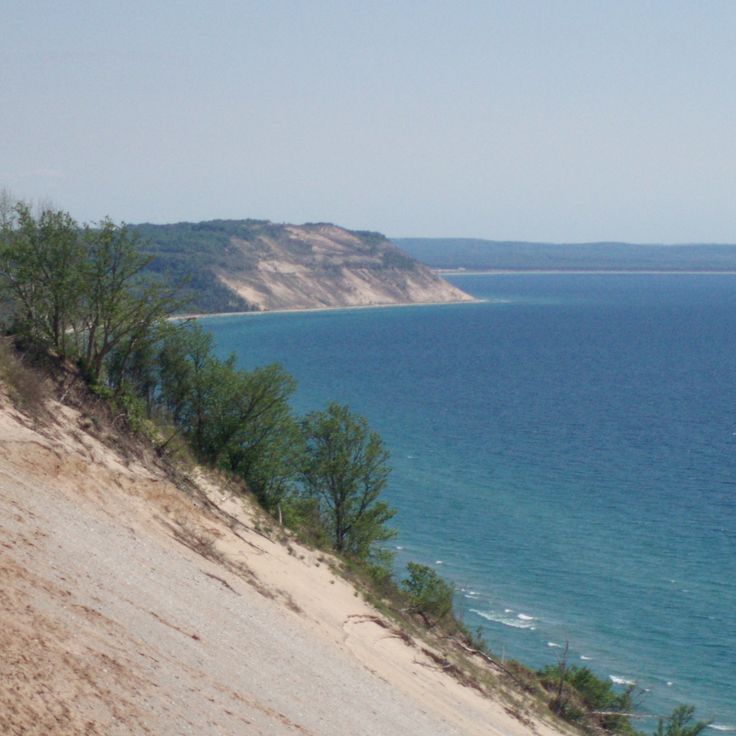
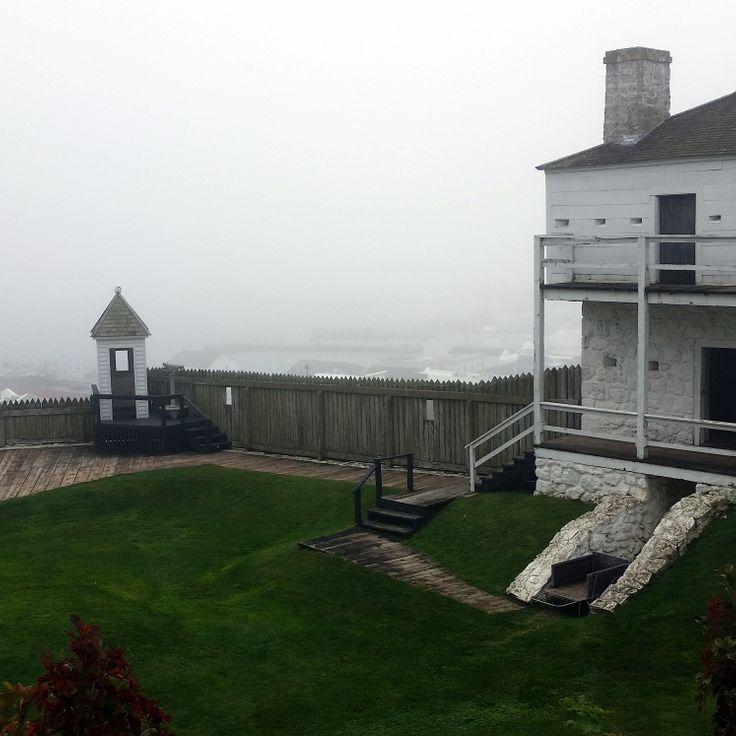
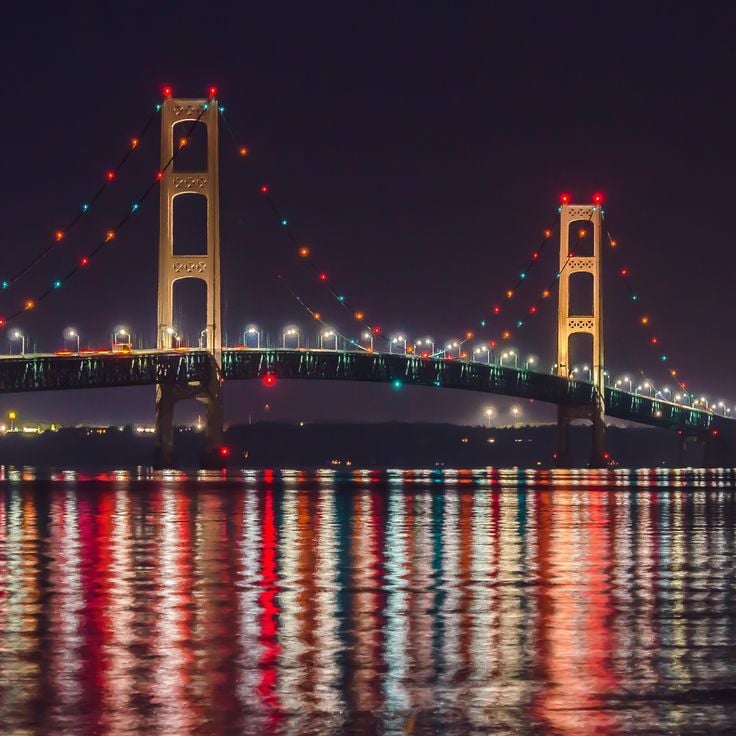
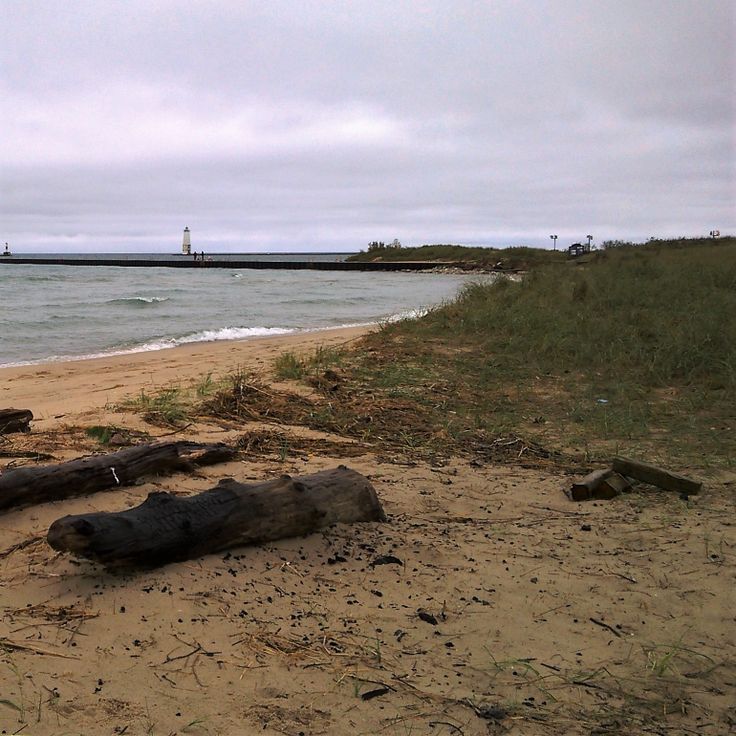
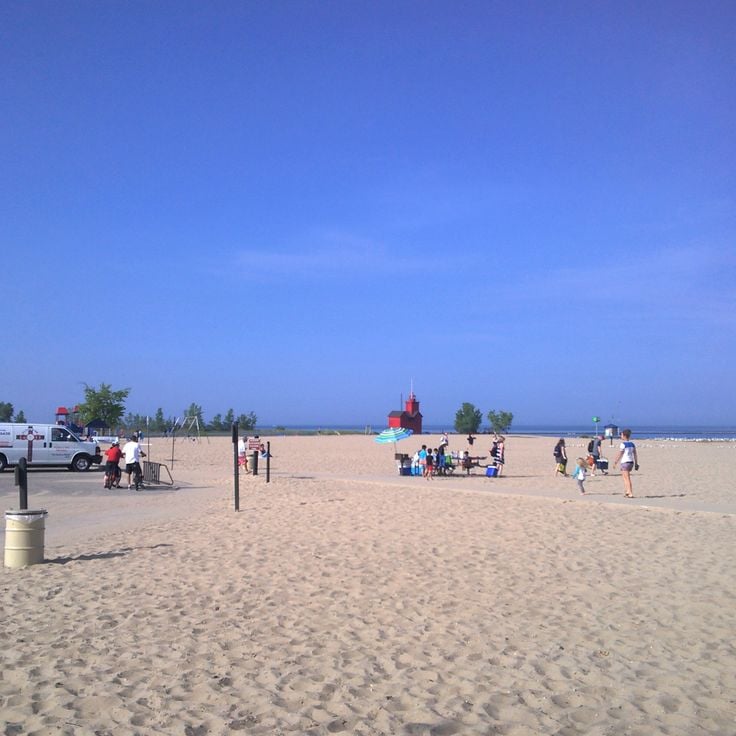
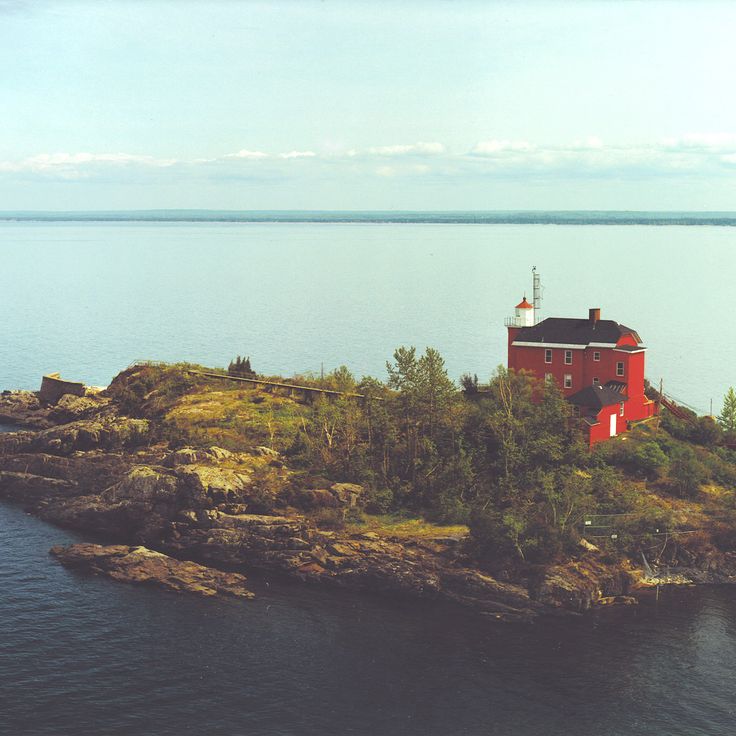
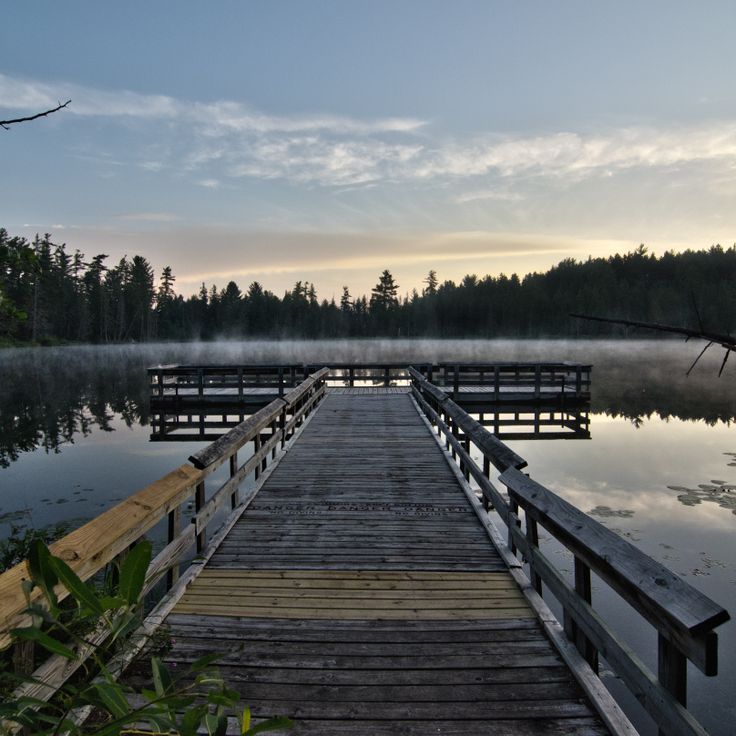
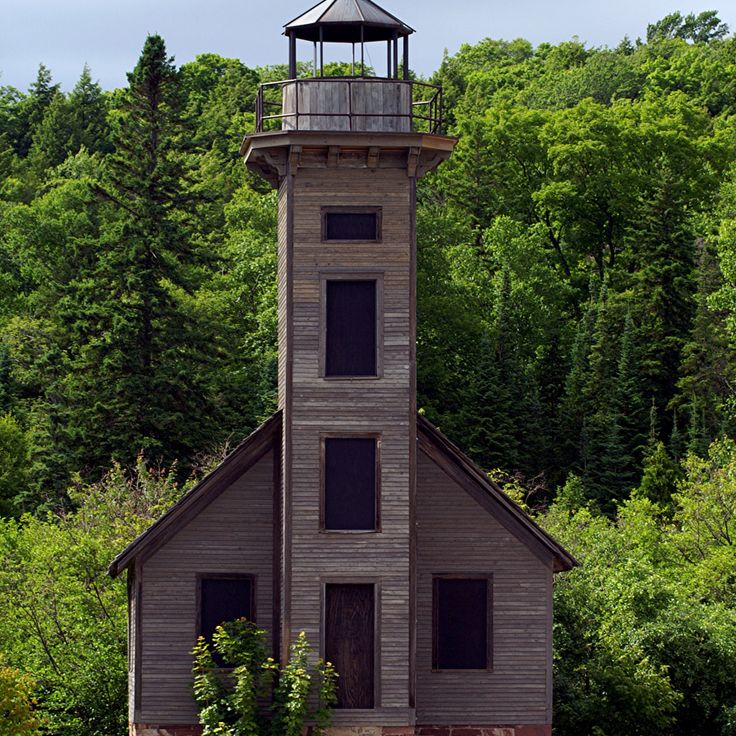
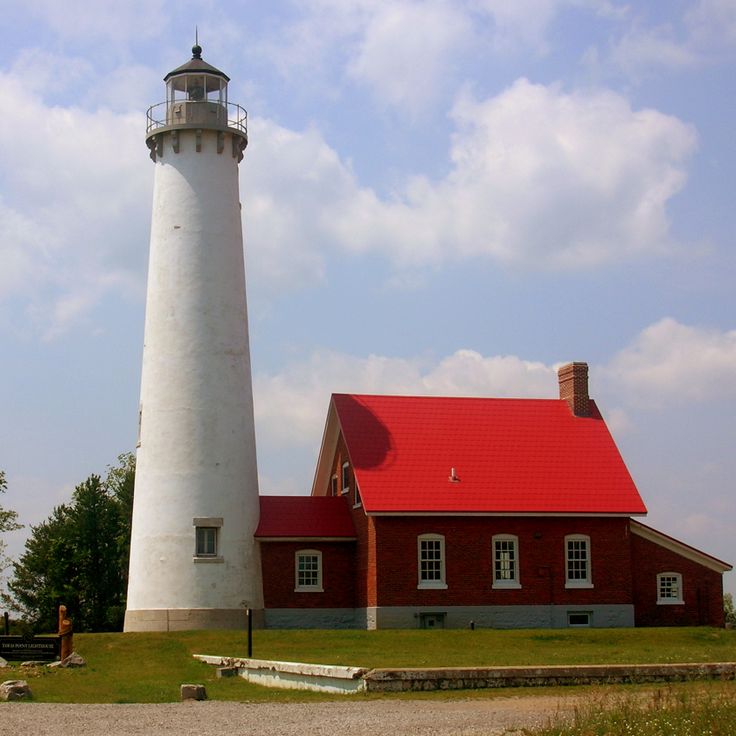
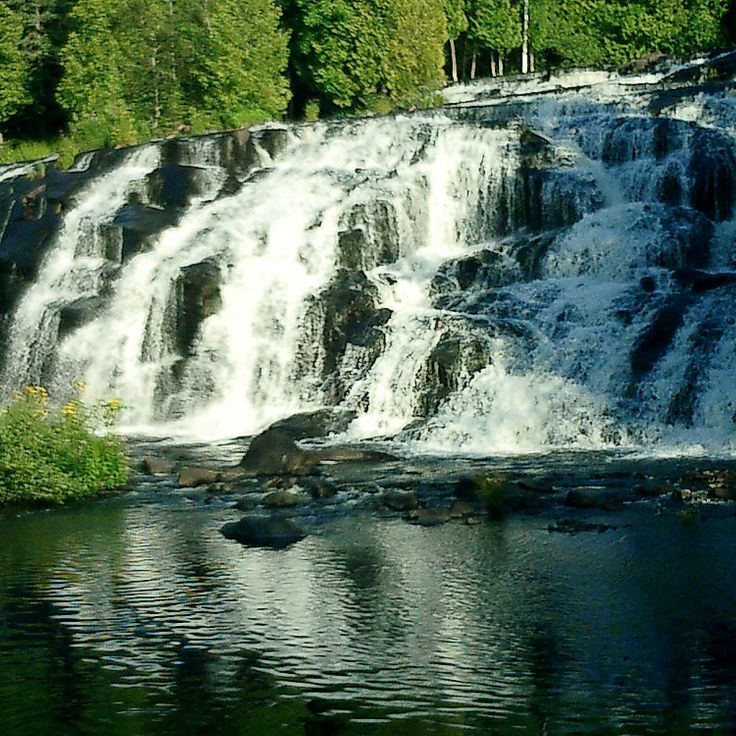
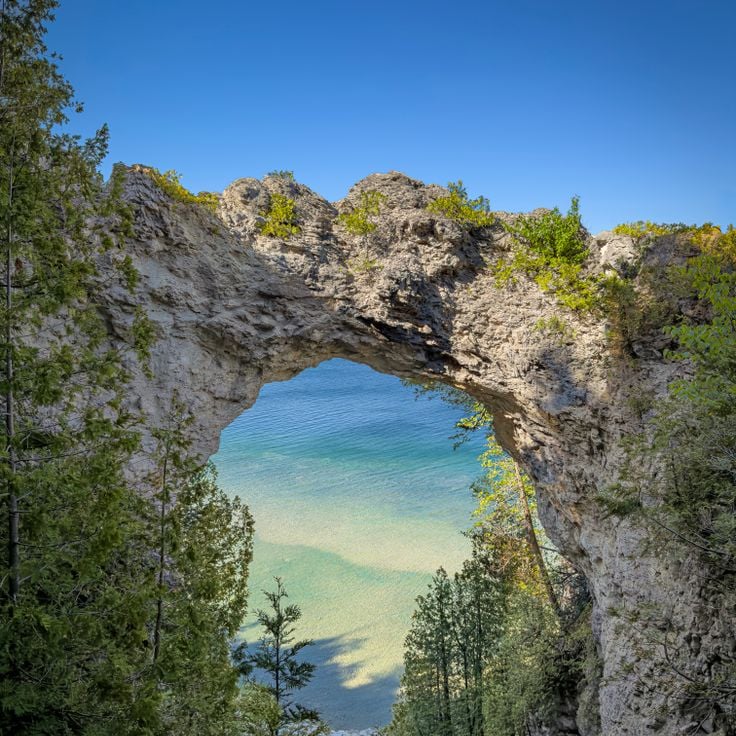
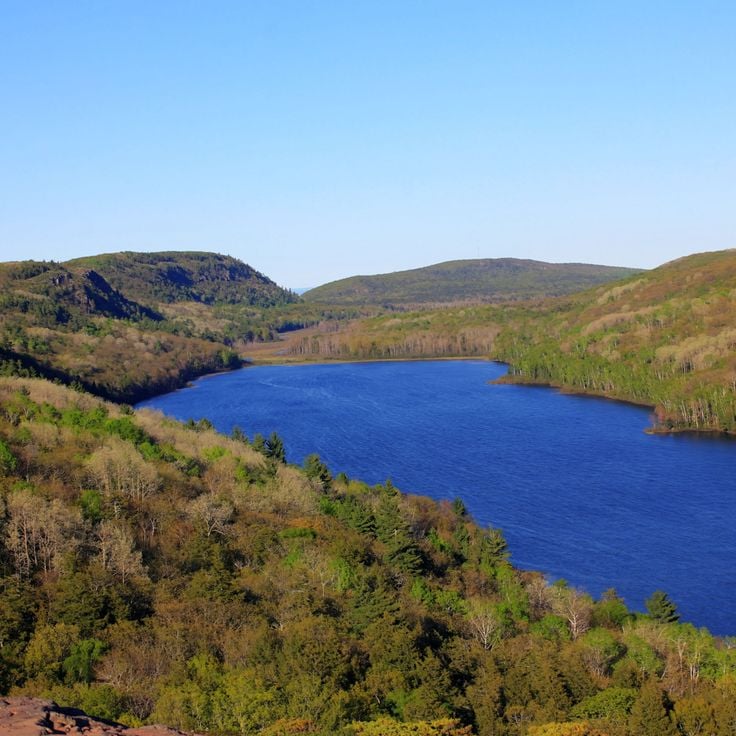
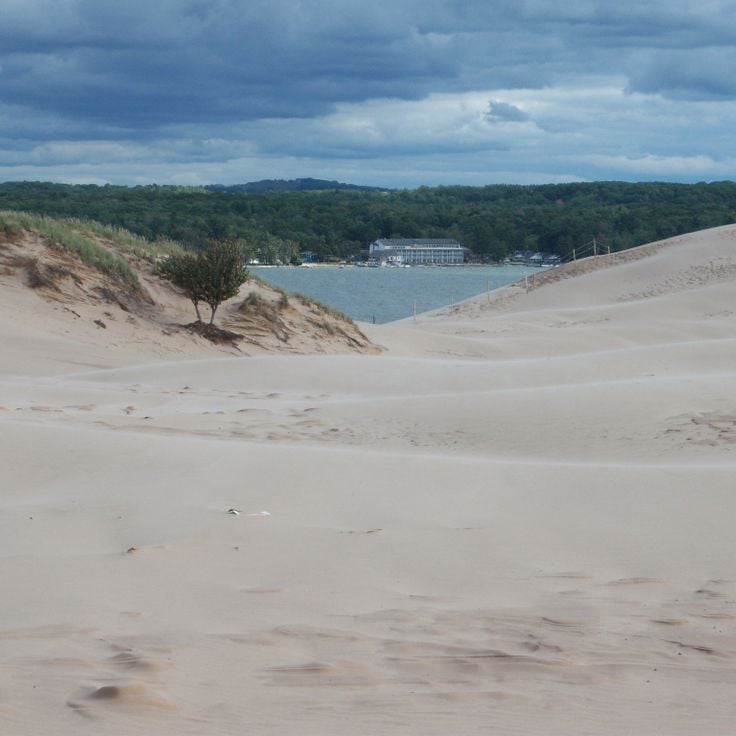
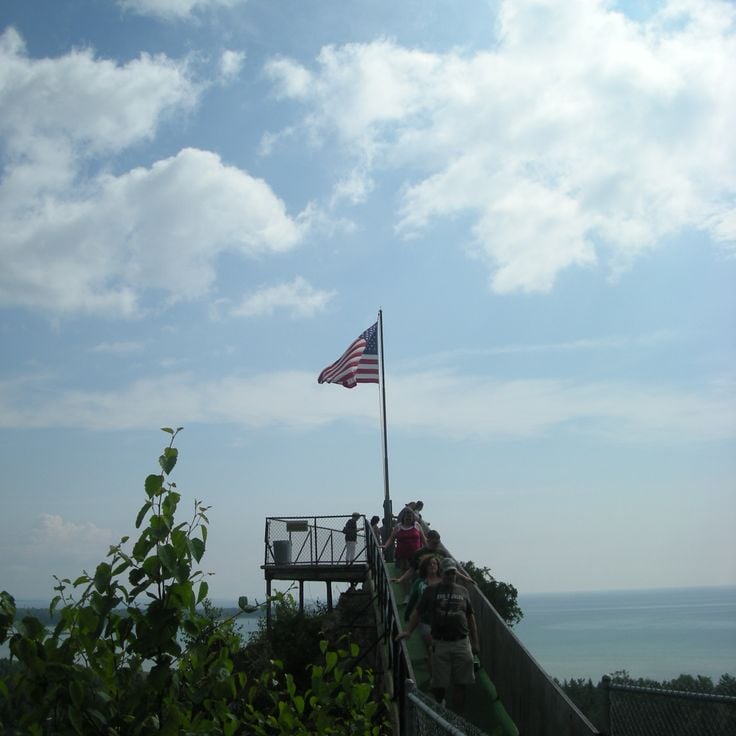
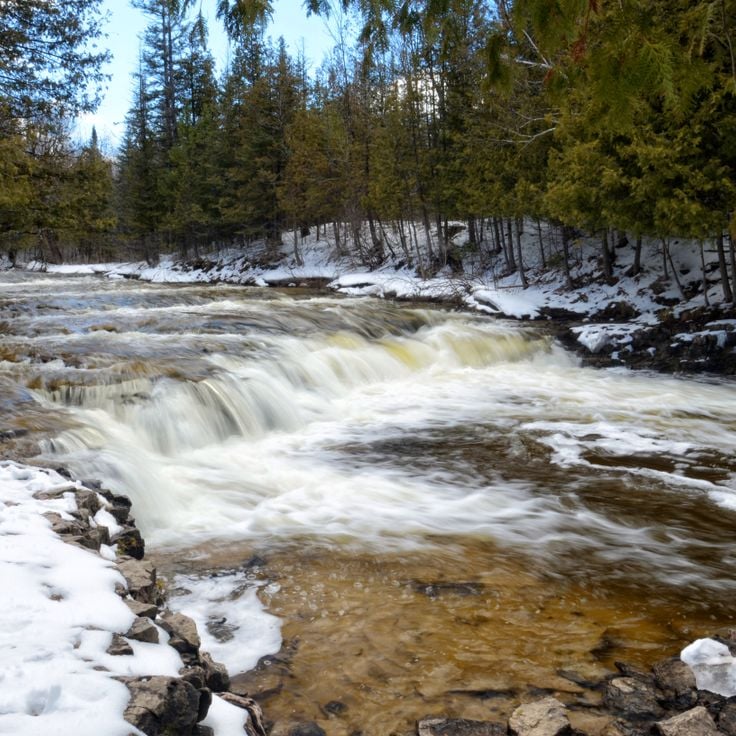
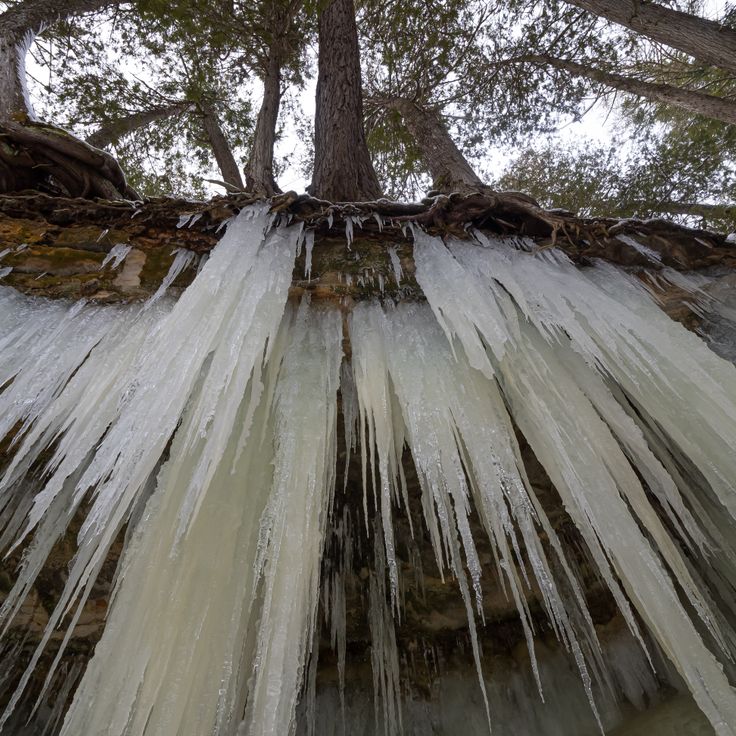
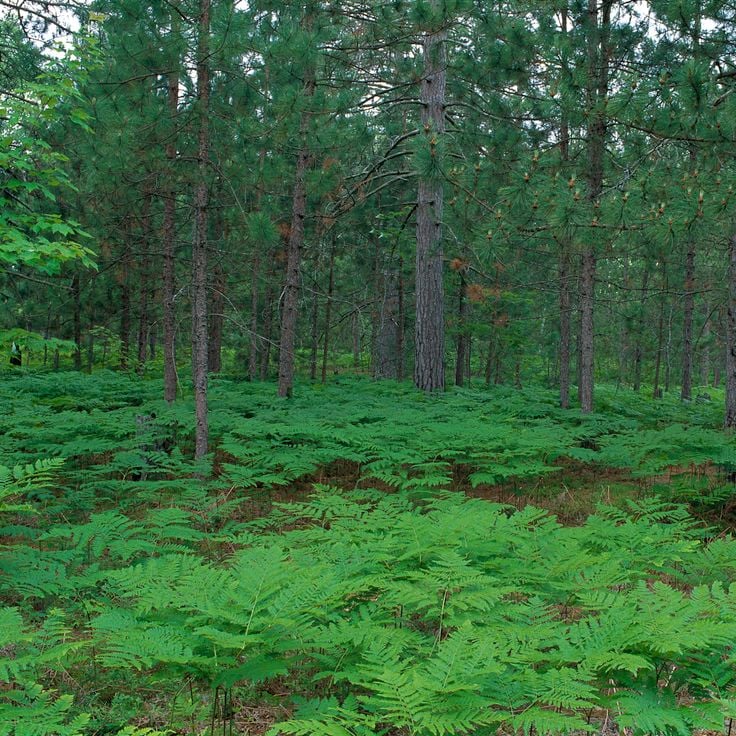
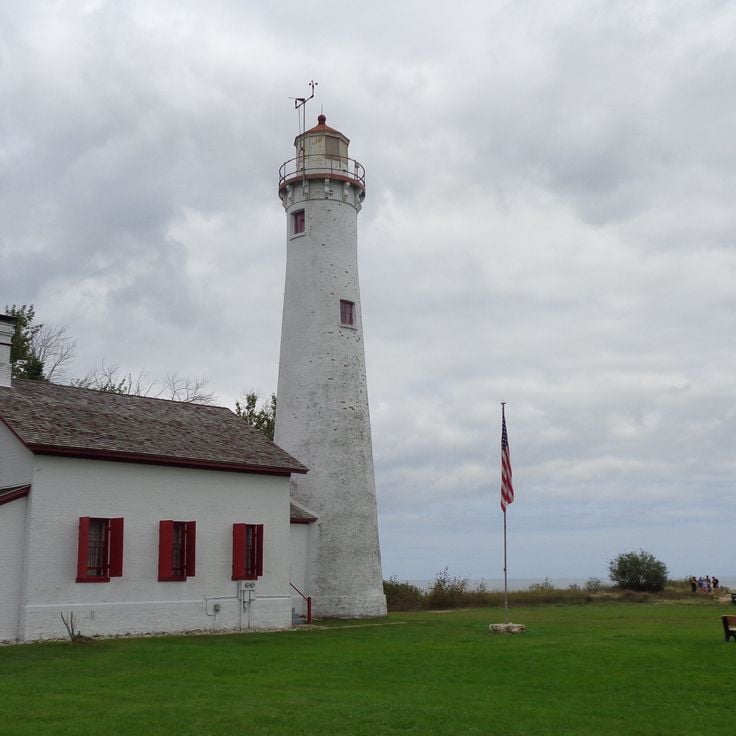
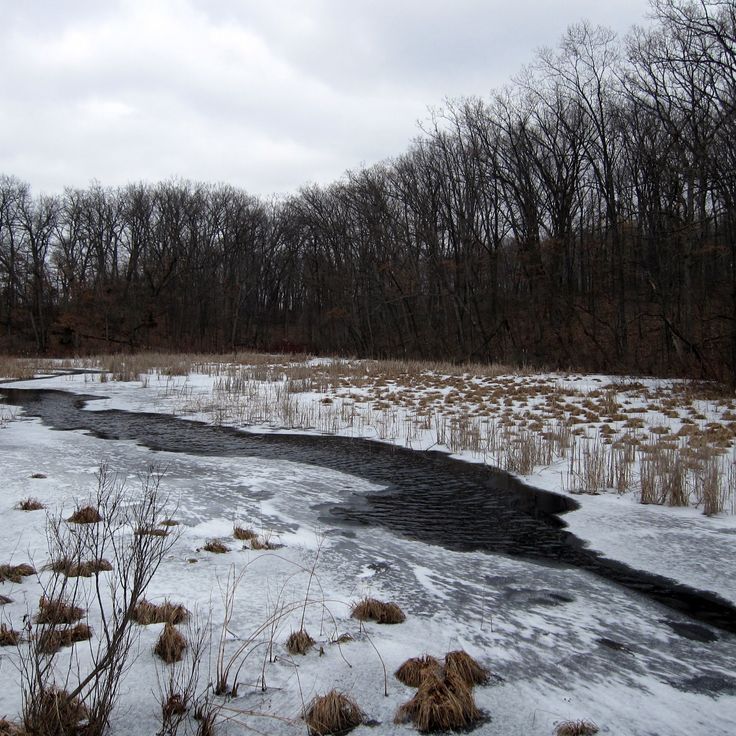
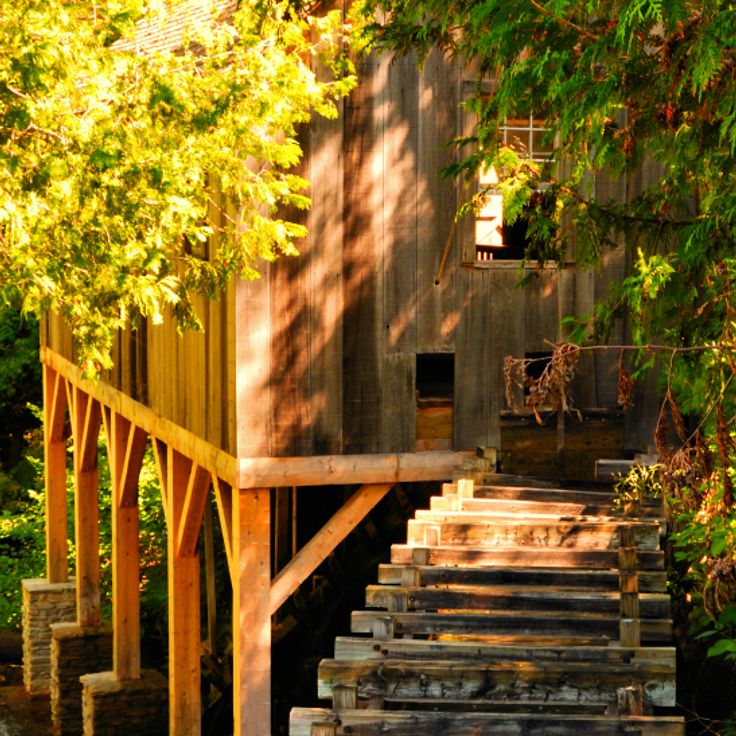
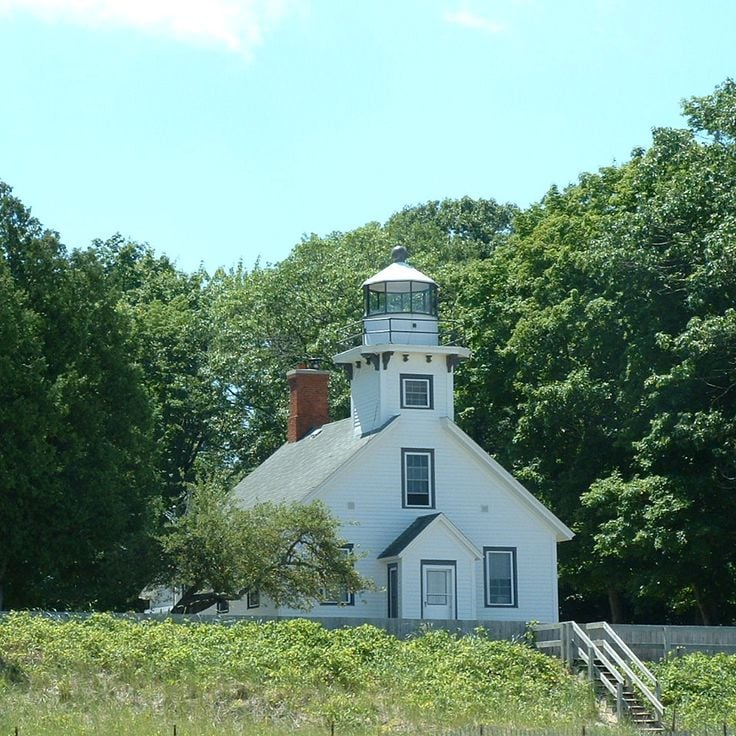
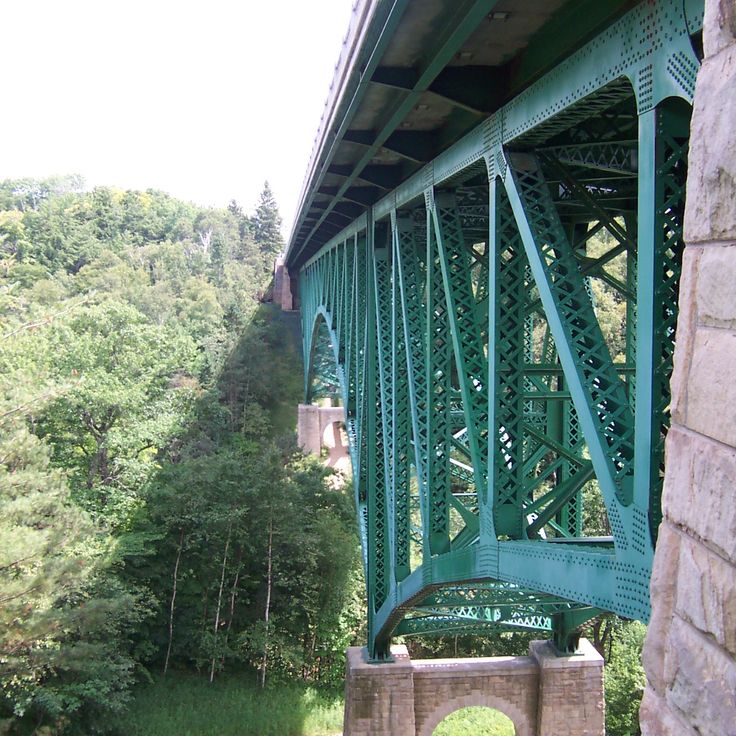
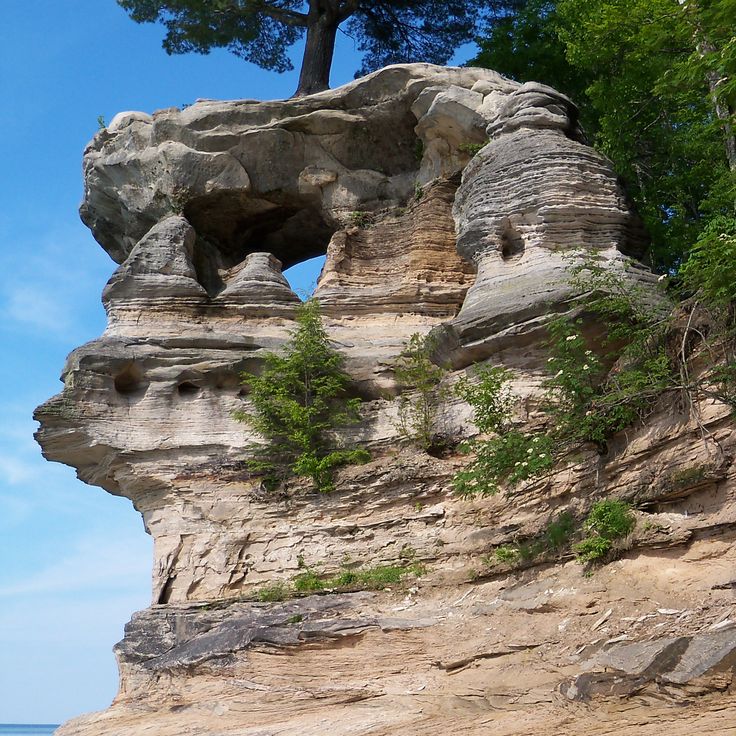
The state of Michigan has many different natural and historic sites on its two peninsulas. The coast stretches for hundreds of miles along the Great Lakes, with sandy beaches, rocky cliffs, and dunes. To the north, thick forests, waterfalls, and rock formations shaped by erosion are common. Old lighthouses mark important points along the waterways. Places like Pictured Rocks show colorful sandstone cliffs rising above the water. Sleeping Bear Dunes has sand that climbs up to 137 meters high. The Mackinac Bridge connects the two peninsulas over about 8 miles. At Hartwick Pines State Park, ancient pine trees still stand. Tahquamenon Falls are among the biggest waterfalls east of the Mississippi River. On Mackinac Island, Fort Mackinac dates back to the 18th century. In Detroit, the Heidelberg Project shows modern art in the city. This area has many natural and man-made sites across both peninsulas.